Wearables, Decoded: What Your Tracker Actually Measures, How Accurate It Is, and What to Do With the Numbers
Almost everyone you know is wearing one. A ring, a watch, a band, a chest strap, maybe even a mattress that tracks them while they sleep. The wearable boom has happened at roughly the pace of the smartphone boom, and the marketing has gotten very good at making you feel like every metric is a window into your soul.
It is mostly not. But it is not nothing either.
This article is an attempt to cut through that. First, how accurate these devices actually are, because that changes how much you should trust any single number. Then a plain explanation of the metrics that matter (resting heart rate, HRV, sleep, heart rate, activity) and what you can genuinely do with each one. Then a look at the most interesting trackers on the market right now, with cost, strengths and honest pros and cons. And finally, the part that matters most: the concrete actions a wearable can actually push you to take.
First, the uncomfortable question: how accurate are these things?
Short version: it depends entirely on what you are measuring. Researchers have run a lot of validation studies, and the picture is consistent. Some metrics are solid, one is genuinely poor, and the rest sit somewhere in between.
Heart rate is the strong one. When you are sitting still, a modern wrist or finger sensor is usually within a few beats per minute of the truth. One meta-analysis of 45 studies put heart rate accuracy at the top of the pile. The catch is movement. Optical sensors (the green lights on the back of a watch or ring) work by reading blood flow through the skin, and that signal gets noisy when your wrist is pumping, jerking or sweating. So during steady cardio they are fine, and during intervals, HIIT or weightlifting they can drift. That is exactly why serious athletes still strap a sensor to their chest.
Steps are reliable enough for trends. They are not perfect (wearables tend to slightly undercount, often by around 9 percent), and your dominant hand will fool a wrist tracker into logging phantom steps. But for “am I moving more this month than last month,” they do the job.
Sleep duration is decent. Sleep stages are not. Knowing roughly how long you slept is something these devices do reasonably well. Telling you precisely how much was light, deep or REM is a much harder problem, and consumer devices are only approximating it. They also tend to be a little generous, scoring you as asleep when you were actually lying awake. Treat the stage breakdown as a rough sketch, not a lab report.
Calorie burn is the weak link. Do not trust it. This is the one to be skeptical about. Studies routinely find error margins above 20 percent for energy expenditure, and accuracy is worse for people with a higher body mass, for darker skin tones, and for activities like walking. The reason is simple: estimating calories means modelling your metabolism, and the device does not know your muscle mass or your actual physiology. If you are eating to a calorie number your watch gave you, you are building on sand.
A few practical things hurt accuracy across the board: a loose fit, the device sliding around on your wrist, sweat and dirt on the skin, tattoos under the sensor, and cold extremities. Wear it snug, wear it on your non-dominant hand, and keep the sensor clean.
The honest takeaway: think in trends, not single readings. One number on one day tells you almost nothing. The same number tracked over weeks tells you a lot.
The metrics that matter, and how to actually use them
Resting heart rate (RHR)
What it is: your heart rate when you are completely at rest, usually measured overnight. Most adults sit somewhere between 60 and 100 beats per minute, and well-trained people are often in the 40s and 50s.
How to use it: ignore the single number and watch the line. A resting heart rate that quietly drifts down over months usually means your fitness is improving. A resting heart rate that jumps up several beats for a few days is a flag. It often points to poor sleep, alcohol, high stress, not enough recovery, or an illness on the way. It is one of the most useful early-warning signals a wearable gives you.
Heart rate variability (HRV)
What it is: the tiny variation in time between consecutive heartbeats. Counterintuitively, more variation is generally good. It reflects a relaxed, well-recovered nervous system. Lower variation tends to show up with stress, fatigue, alcohol or illness.
How to use it: HRV is intensely individual. Your number is meaningless next to your friend’s number, so only ever compare yourself to your own baseline. Used well, it answers a daily question: is my body ready to be pushed today, or should I take it easy? It is the backbone of every “recovery score” you see in these apps.
Heart rate during exercise (and zones)
What it is: your live heart rate while you train, usually sorted into zones from easy aerobic effort up to near-maximum.
How to use it: zones turn a vague feeling of effort into a number you can act on. The classic mistake, and almost everyone makes it, is running easy days too hard and hard days too easy. Heart rate guidance fixes that. Lower zones (often called Zone 2) build your aerobic base, higher zones build top-end fitness. Just remember the accuracy caveat: for steady efforts a wrist sensor is fine, and for intervals a chest strap will serve you far better.
Sleep
What it is: how long you slept, how broken it was, and an estimated split across light, deep and REM stages.
How to use it: focus on the basics. Total sleep time and, even more, consistency of your bed and wake times are what the science actually supports. The stage breakdown is interesting but shaky, so do not obsess over a low “deep sleep” figure. The real value is detective work: the device shows you, night after night, how a late coffee, a glass of wine, a warm bedroom or a midnight scroll session changes your sleep. Seeing that cause and effect is what lets you fix it.
Activity and steps
What it is: a running count of how much you move during the day.
How to use it: as a nudge, not a scripture. The famous 10,000-step target was a marketing figure, not a medical one, and research suggests real health benefits pile up well before that, with something like 7,000 to 8,000 steps already being very good for most people. The number itself barely matters. What matters is that glancing at it gets you off the chair and out the door.
A couple of bonus metrics
Blood oxygen (SpO2): measured overnight on many devices. A consistent pattern of large dips can be a flag for sleep apnea. That is a reason to talk to a doctor, not to self-diagnose.
Skin temperature: usually shown as a trend rather than an absolute. Useful for spotting the onset of illness, and for menstrual cycle tracking.
The most interesting trackers right now
Here is the lineup, with what each one is genuinely good at and where it falls short. Prices are current at the time of writing and do shift, especially around sales.
Oura Ring 4
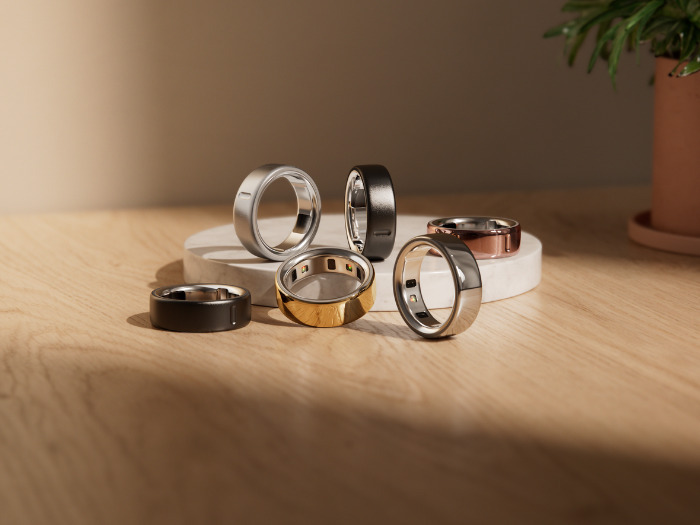
A titanium smart ring with no screen at all. Everything lives in the app. Oura built its reputation on sleep and recovery rather than workouts, and that is still its identity.
Cost: $349 for the ring, plus an Oura membership at $5.99 per month or $69.99 per year for the full feature set. Worth knowing: an Oura Ring 5 is expected to be announced around the end of May 2026, likely with a small price bump, so the Ring 4 may shift in price soon.
Good at measuring: sleep and sleep stages, resting heart rate, HRV, body temperature trends, and overnight data in general. Independent testing of its nighttime heart rate and HRV has been relatively favorable.
Pros: genuinely discreet and actually looks like jewelry, around 8 days of battery, very comfortable to sleep in, excellent sleep and recovery insights, wide range of sizes.
Cons: the subscription is required for the good stuff, there is no display, and it is weak as a workout tracker: no GPS, and less reliable during intense or jerky exercise such as resistance training. You also have to remember to open the app, and if your finger size changes you are buying a whole new ring.
Best for: people whose main goal is understanding their sleep and recovery, and who do not want a gadget on their wrist.
Whoop 5.0 and Whoop MG
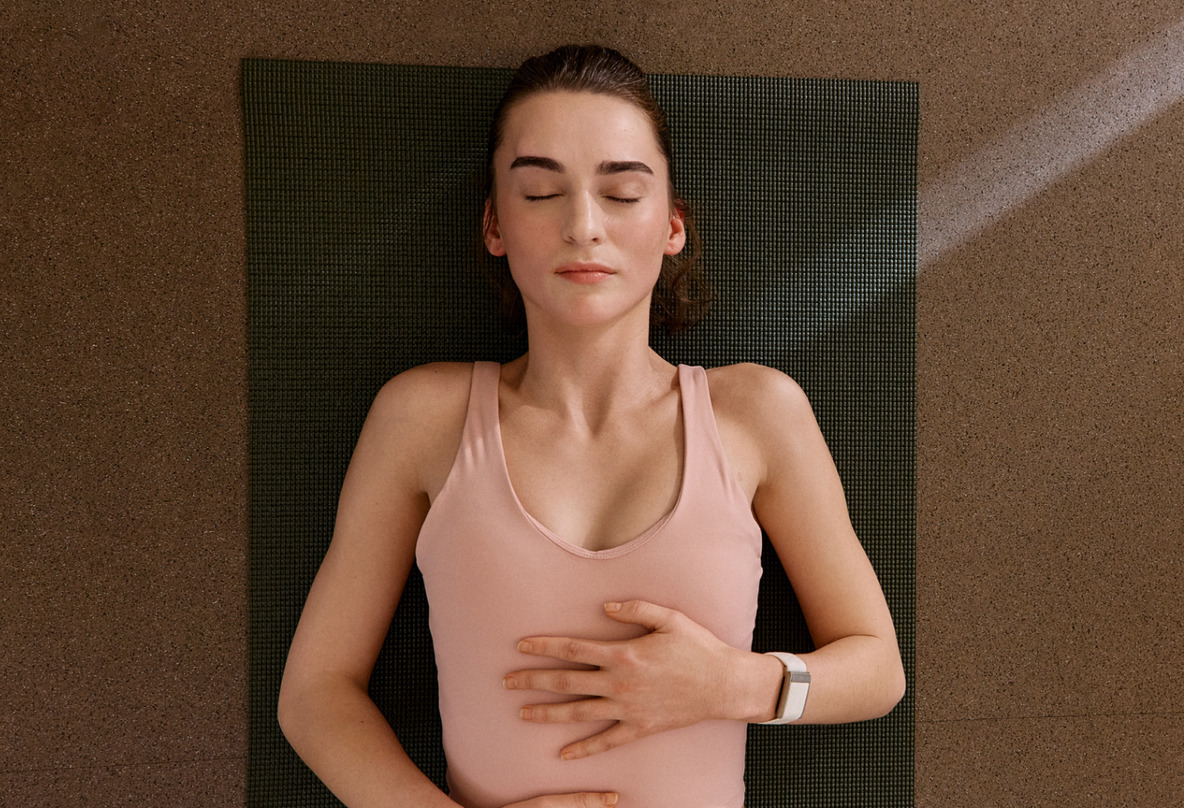
A screenless band built entirely around three ideas: strain, recovery and sleep. The model is unusual. You do not buy the hardware, you subscribe, and the band comes included. The MG is the medical-grade variant in the same generation.
Cost: subscription only, roughly $199 per year for the entry tier, $239 for the mid tier, and $359 for the top tier, which includes the medical-grade MG with on-demand ECG and a blood pressure trend estimate. If you stop paying, the band stops working.
Good at measuring: recovery and daily strain, HRV, resting heart rate, and sleep, with 24/7 wear and 14-plus days of battery. The MG adds ECG and irregular heart rhythm notifications.
Pros: very comfortable, no screen to distract you, genuinely excellent recovery and sleep coaching, long battery life, and you can wear it on your bicep, which improves heart rate accuracy during lifting.
Cons: the subscription-only model means you are effectively renting forever, there is no display and no built-in GPS, wrist heart rate can still struggle during HIIT like any optical sensor, there is no VO2 max estimate, and the device has zero value the moment you cancel.
Best for: committed trainers who want a recovery-first coach and do not care about a screen.
Garmin (the watch range)
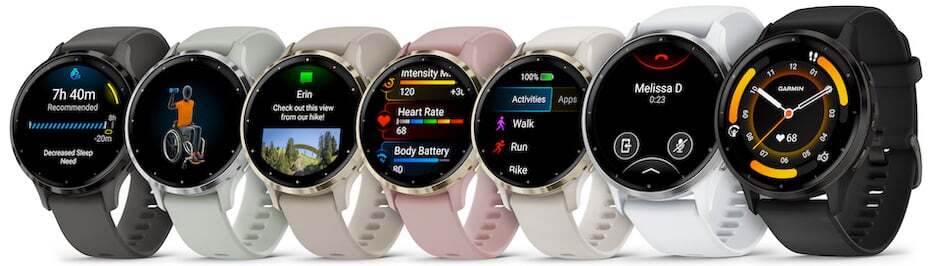
Not one device but a whole family, from the affordable Forerunner 165 and Vivoactive line up to the Fenix and Forerunner flagships. If you actually exercise, Garmin is the most complete all-rounder here.
Cost: roughly $180 for a Vivoactive 5 or $200 for a Forerunner 165, climbing past $600 for the Fenix flagships. There is no mandatory subscription, although Garmin now offers an optional Connect+ tier for extra features.
Good at measuring: GPS-tracked workouts, heart rate zones, training load and recovery, VO2 max estimates, sleep, steps, and Garmin’s Body Battery energy score. Garmin also tends to rank well for step-count accuracy.
Pros: an enormous feature set, superb battery life (days to weeks depending on model), no required subscription, excellent sports tracking, reliable GPS, and genuinely useful training readiness tools.
Cons: some models are bulky, the app and the sheer number of metrics have a learning curve, wrist heart rate still wobbles during intervals (which is why Garmin sells its own chest straps), and the flagships are expensive.
Best for: runners, cyclists and anyone who wants serious training data without an ongoing subscription.
Apple Watch
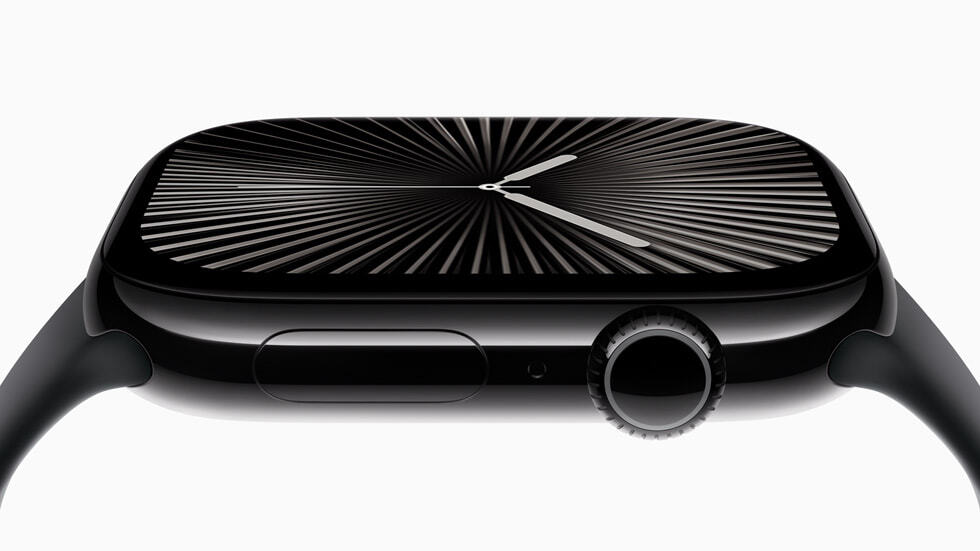
The default smartwatch for iPhone owners, and a strong health device in its own right. The current lineup is the SE 3, the Series 11 and the rugged Ultra 3.
Cost: from around $249 for the SE 3, $399 for the Series 11, and $799 for the Ultra 3. Core health features do not require a subscription.
Good at measuring: heart rate (it scored highest for heart rate accuracy in one large meta-analysis), ECG, irregular rhythm and high or low heart rate notifications, activity, workouts, sleep, blood oxygen on supported models, and increasingly hypertension notifications.
Pros: excellent everyday health sensors, strong safety features like fall and crash detection, a polished app experience, and deep iPhone integration.
Cons: battery life of roughly one to two days means overnight charging needs planning if you also want sleep tracking, it is iPhone-only, it has less depth than Garmin for serious endurance training, and its recovery insights are thinner than what Whoop or Oura offer.
Best for: iPhone users who want one device that does health, fitness, safety and everyday smartwatch duties well.
Google Fitbit Air
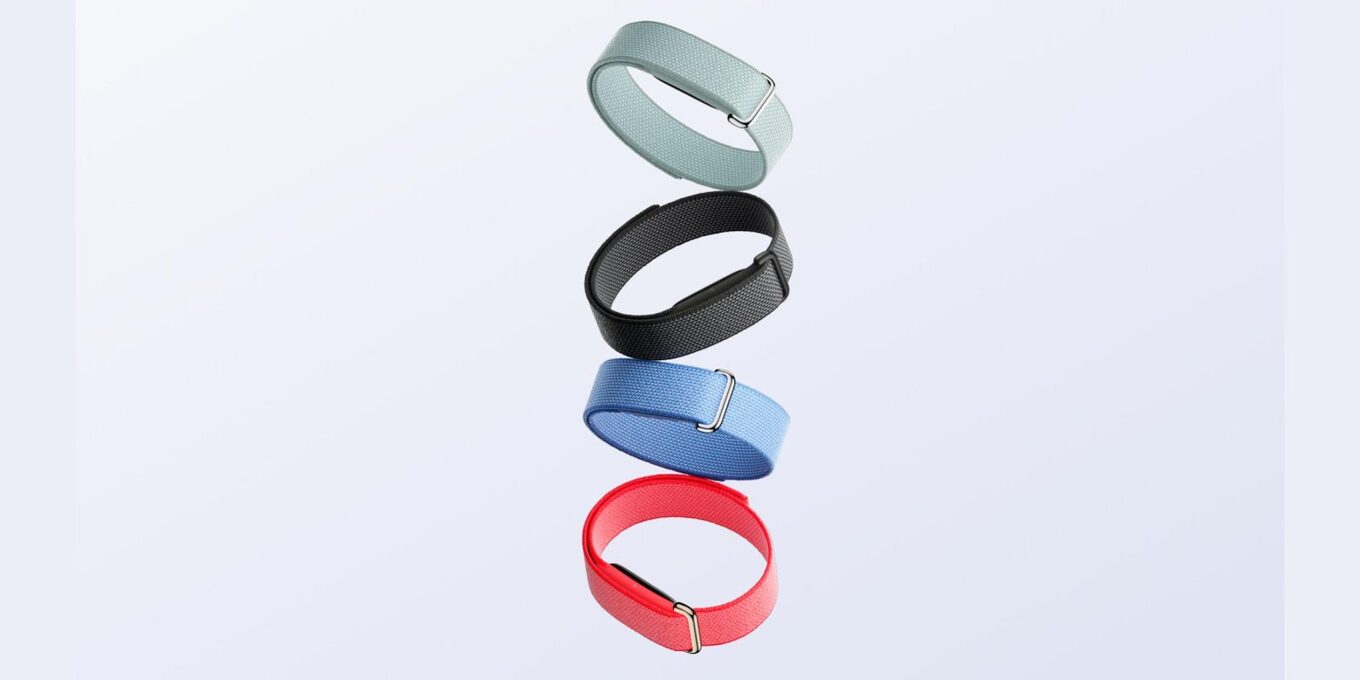
Google’s newest and smallest Fitbit, and a notable launch because it brings serious sensors down to a low price. It is a screenless pebble designed to be worn around the clock and to feed Google’s AI health coach.
Cost: from $99.99, including a three-month trial of Google Health Premium. The full coaching features sit behind that subscription afterward.
Good at measuring: 24/7 heart rate, resting heart rate, HRV, sleep stages and duration, blood oxygen, and heart rhythm monitoring with AFib alerts, all in a very small device. The AI coaching layer translates that data into plain-language suggestions.
Pros: a very affordable way in, tiny and comfortable, around a week of battery, screenless so it stays out of your way, and a surprisingly full sensor set for the money.
Cons: it is brand new, so long-term accuracy and reliability are not yet proven, there is no screen, the best features lean on a subscription, Fitbit’s broader future under Google has felt uncertain in recent years, and there is no built-in GPS.
Best for: people who want real health metrics without spending much, and who like the idea of an AI coach doing the interpreting.
Polar H10
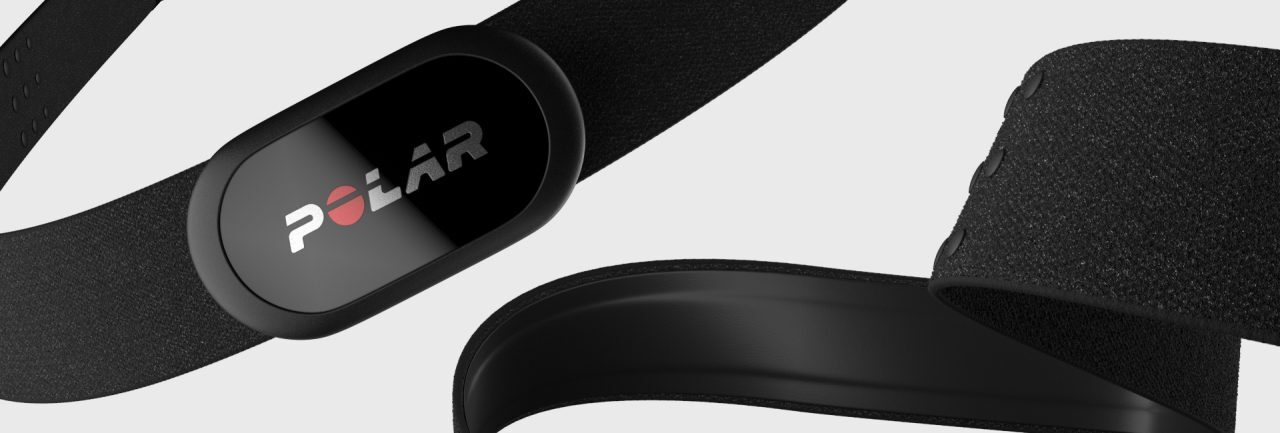
This is the odd one out, and deliberately so. It is not a tracker with a score and a dashboard. It is a chest strap that does exactly one thing supremely well: measure your heart rate. It is so good that researchers routinely use it as the reference device when testing everyone else.
Cost: roughly $80 to $90.
Good at measuring: heart rate, and nothing else. It uses ECG-style electrodes against your skin and is the gold standard for real-time heart rate, especially during hard or jerky exercise where wrist sensors fall apart.
Pros: outstanding accuracy, multiple connection types (dual Bluetooth, ANT+ and 5 kHz) so it pairs with almost anything, including watches, bike computers, Peloton and gym equipment, a comfortable strap, long coin-cell battery life, and onboard memory that can store a session.
Cons: it is a chest strap, and some people simply find that less pleasant than a wrist or finger device. It does not track sleep, steps, recovery or anything else. It is a sensor, not a complete system, so you generally pair it with another device or app.
Best for: anyone who cares about accurate exercise heart rate, and who wants to upgrade the weakest part of a watch or ring.
Eight Sleep Pod 5
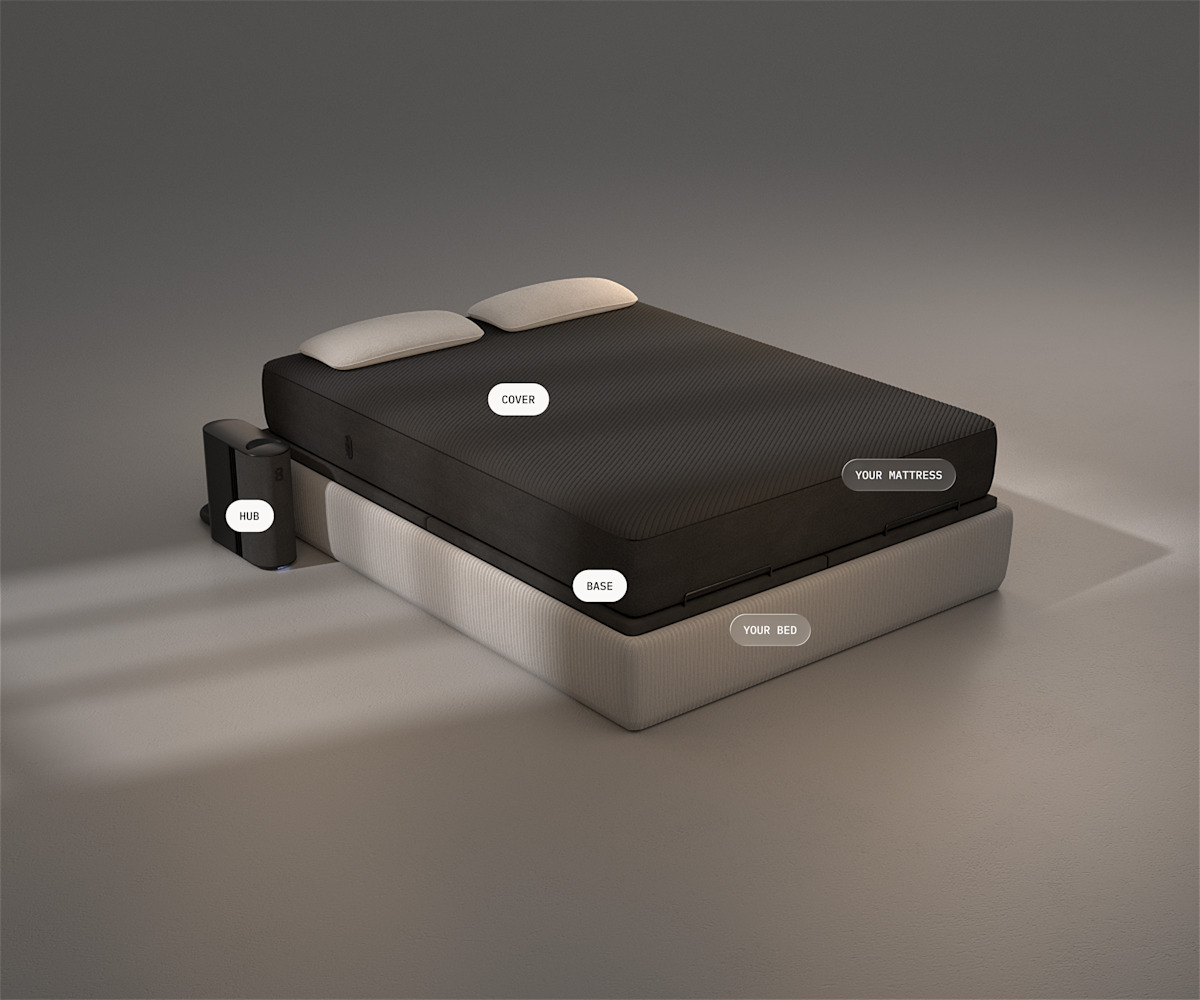
Not a wearable at all, but it earns a place here. It is a smart mattress cover with a hub that heats and cools each side of the bed independently, and tracks your sleep without you wearing anything.
Cost: roughly $2,800 to $2,950 for the Core, climbing to around $5,900 for the Ultra, plus a required Autopilot subscription starting at about $17 per month.
Good at measuring: sleep, including stages, heart rate and respiratory rate, with nothing on your body. On top of that it actively controls bed temperature through the night, can help reduce snoring, and has a vibrating alarm.
Pros: nothing to wear or charge, dual-zone temperature control that genuinely helps hot sleepers and mismatched couples, the ability to both warm and cool, fully passive sleep tracking, and physical buttons on the bed.
Cons: it is very expensive, the subscription is mandatory on top, water tubing inside a mattress cover is an inherent failure risk, it only works in your own bed, and its sleep-stage estimates carry the same caveats as any consumer device.
Best for: people who sleep hot or share a bed with someone who runs a different temperature, and who have the budget for it.
Worth a quick mention
A few others fill specific gaps. The Samsung Galaxy Ring is a smart ring with no subscription that works best inside the Samsung ecosystem. The Ultrahuman Ring Air is another no-subscription ring with a metabolic and glucose-aware angle, though it is worth checking recent reliability and support feedback before buying, as durability has been a genuine real-world complaint for some owners. And a new category is emerging at the edges, with wearables that focus less on fitness numbers and more on stress, focus and mental load. The space is moving fast.
A real-world setup, for what it is worth
For context, here is how this stuff actually gets used in my house, because it illustrates the one rule that matters most: pick each device for the thing it is genuinely good at.
I wear an Oura Ring day and night, mostly for sleep and recovery, which is exactly what it is built for. One honest limitation worth repeating: it is not great during resistance training. During pull-ups or dumbbell sets the heart rate reading can drift, which is the optical-sensor-meets-jerky-movement problem in action. So I do not lean on it for strength work.
For that I wear a Polar H10 chest strap when I train at home. It is the accurate tool for the job and fills in exactly the gap the ring leaves.
I also own an Eight Sleep, but not really as a tracker. I use it to cool the bed, and for a hot sleeper that alone justifies it. The sleep tracking is a bonus I mostly ignore, which is a perfectly valid way to own one.
Three devices, three jobs, none of them trying to do everything. That is the practical version of this whole article.
My wife is in the middle of her own version of this decision right now. She tried an Ultrahuman ring and gave up on it after it broke three separate times, then got tired of waiting on support for replacements. It is worth saying plainly: build quality and how responsive a company’s support is are real factors, and they do not show up on any spec sheet. She is now choosing between Whoop and the Fitbit Air, since she is comfortable wearing something on her wrist. It is a reasonable shortlist. Whoop leans harder into recovery coaching and never has a screen, but locks you into an ongoing subscription. The Fitbit Air is far cheaper to get into and feeds Google’s AI coach a lot of the same data, at the cost of being brand new and less proven. For someone wrist-comfortable who wants depth, Whoop makes sense; for someone who wants low cost and low commitment, the Fitbit Air does.
The part that matters most: what can a wearable actually get you to do?
Here is the honest truth that the marketing skips. A wearable does not improve your health. It cannot. It does not run, it does not sleep, it does not put down the wine glass. What it can do, and what makes it worth the money when it works, is hand you specific and timely information so that you make a better decision than you would have made blind.
These are the real actions a wearable unlocks.
1. Decide whether to train hard today or back off. Every morning the recovery score, HRV and resting heart rate together answer one question. If your HRV is down, your resting heart rate is up, and you slept badly, that is a clear signal to do an easy session instead of intervals. Make that call consistently across a season and you avoid digging yourself into an overtraining hole.
2. Catch an illness one to two days early. A resting heart rate that jumps a few beats, an HRV that drops, and a skin temperature that ticks upward often show up a day or two before you actually feel symptoms. That is your cue to rest, hydrate and not schedule anything heroic. Acting early genuinely shortens how rough the week gets.
3. Train at the right intensity instead of guessing. Heart rate zones turn a vague sense of effort into a number you can act on. Most people unknowingly run their easy days too hard and their hard days too easy. A wearable, ideally backed by a chest strap for intervals, corrects that, and that single change makes training far more effective.
4. Find out what is wrecking your sleep, and fix it. This is the big one. The device shows you cause and effect across many nights. Wine with dinner, a workout too late in the evening, a bedroom that is too warm, a 4pm coffee, scrolling in bed: each one lands as a measurably worse night. You cannot change a habit you cannot see. Once the pattern is on a screen in front of you, you can.
5. Build a movement habit. Step counts, streaks and stand reminders are nudges. The number itself is only a proxy and not worth obsessing over, but the nudge gets you off the chair and walking. For a lot of people that gentle pressure is the whole point.
6. Spot a genuine medical red flag worth a doctor’s visit. AFib alerts, repeated large overnight oxygen dips that could hint at sleep apnea, or a heart rate doing something clearly abnormal are not diagnoses. But they are a legitimate reason to book an appointment and bring the data with you. People have caught real, serious problems exactly this way.
7. See progress over months and stay motivated. Watching your resting heart rate slowly drift down, or your VO2 max estimate climb, over a few months is quietly motivating in a way a bathroom scale never manages. It is proof that the boring consistent work is doing something.
8. Close the loop between what you do and how you feel. This is the deepest value of all. A wearable connects your behavior to your outcomes, so that healthy habits stop being abstract advice from an article and become things you have personally watched work on your own body. That is what actually changes behavior for good.
One last thing: the device is a coach, not a boss
It is easy to flip the relationship around and let the numbers run your life. There is even a name for it now: orthosomnia, which is the anxiety people develop from chasing a perfect sleep score. If you wake up feeling great and your watch tells you that you recovered poorly, you are allowed to trust how you feel and have a good day anyway. The data is one input. It is not the verdict.
Use a wearable the way you would use a smart, slightly nerdy friend who happens to have good notes. It can point things out, spot patterns you missed, and ask useful questions. The decisions, and the life, are still yours.
References
- Bent, B., Goldstein, B.A., Kibbe, W.A., & Dunn, J.P. (2020). Investigating sources of inaccuracy in wearable optical heart rate sensors. npj Digital Medicine, 3, 18. https://pmc.ncbi.nlm.nih.gov/articles/PMC11560992/
- Feehan, L.M., Geldman, J., Sayre, E.C., et al. (2018). Accuracy of Fitbit Devices: Systematic Review and Narrative Syntheses of Quantitative Data. JMIR mHealth and uHealth, 6(8), e10527. https://pmc.ncbi.nlm.nih.gov/articles/PMC7509623/
- Shcherbina, A., Mattsson, C.M., Waggott, D., et al. (2017). Accuracy in Wrist-Worn, Sensor-Based Measurements of Heart Rate and Energy Expenditure in a Diverse Cohort. Journal of Personalized Medicine, 7(2), 3. https://www.ncbi.nlm.nih.gov/pmc/articles/PMC5491979/
- de Zambotti, M., Goldstone, A., Claudatos, S., et al. (2025). Performance validation of six commercial wrist-worn wearable sleep-tracking devices for sleep stage scoring compared to polysomnography. SLEEP Advances, 6(2). https://pmc.ncbi.nlm.nih.gov/articles/PMC12038347/
- Bassett, D.R., Toth, L.P., LaMunion, S.R., & Crouter, S.E. (2017). Step Counting: A Review of Measurement Considerations and Health-Related Applications. Sports Medicine, 47(7), 1303–1315. https://pubmed.ncbi.nlm.nih.gov/27912681/
- Paluch, A.E., Bajpai, S., Bassett, D.R., et al. (2022). Daily steps and all-cause mortality: a meta-analysis of 15 international cohorts. The Lancet Public Health, 7(3), e219–e228. https://pmc.ncbi.nlm.nih.gov/articles/PMC9289978/
- Statham, A., James, R., Asamoah, J., et al. (2025). The accuracy of Apple Watch measurements: a living systematic review and meta-analysis. npj Digital Medicine, 8, 195. https://www.nature.com/articles/s41746-025-02238-1
- Kolla, B.P., Mansukhani, S., & Mansukhani, M.P. (2019). Consumer sleep tracking devices: a review of mechanisms, validity and utility. Expert Review of Medical Devices, 16(3), 233–240. https://pmc.ncbi.nlm.nih.gov/articles/PMC11592250/
- Baron, K.G., Abbott, S., Jao, N., Manalo, N., & Mullen, R. (2017). Orthosomnia: Are Some Patients Taking the Quantified Self Too Far? Journal of Clinical Sleep Medicine, 13(2), 351–354. https://www.sleepfoundation.org/orthosomnia
- Tudor-Locke, C., Craig, C.L., Brown, W.J., et al. (2011). How many steps/day are enough? For adults. International Journal of Behavioral Nutrition and Physical Activity, 8, 79. https://www.news-medical.net/health/Where-did-10000-steps-a-day-come-from.aspx